About Me
Motion Designer & Vibe Coder based in Seattle. I design motion systems and build AI-powered tools that accelerate creative workflows — applying deep discipline knowledge to fix the gaps that have always existed.
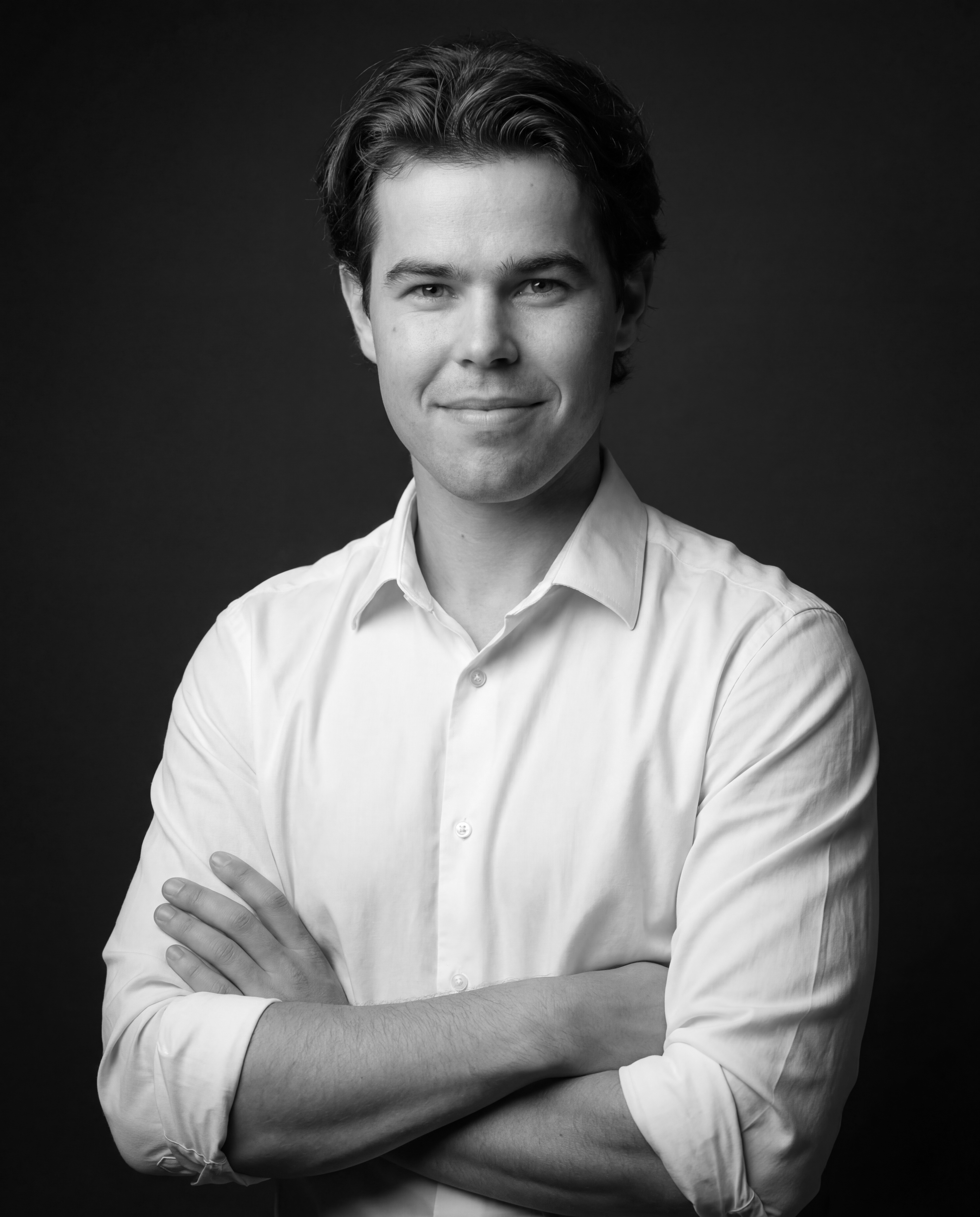
I studied psychology before I connected with design. That curiosity still shapes how I approach every project: what do you actually need, what's getting in the way, and what would it look like if it worked.
I've spent nearly a decade in motion and brand design across studios and internal design teams at large companies for brands like HP, Microsoft, Cartier and Stryker. That work taught me how creative pipelines really operate, and where they consistently break down. The biggest bottleneck was always the same: the tools we needed didn't exist, and we didn't have the means to build them.
AI changed that. With vibe coding, I can now bring deep discipline knowledge to build the tools my teams have always needed — motion tools, pipeline automations, design utilities that have saved hundreds of hours of work. It lets designers focus on the craft that excites them and automate the rest.
That's what drives me now: designing systems that move people, and building tools that move the work forward.
For client engagements, the brief is a starting point — the real work begins by questioning it together to clarify audience, intent, and what success looks like. For self-initiated work, I start by observing where a system could be sharper — gaps in a brand's motion vocabulary, a workflow that's eating time, a pipeline that doesn't yet exist — and propose the toolkit, rig, or framework that closes the gap.
Understand
Before sketching, I clarify the problem — the business need, the audience, the constraints. If it's a brief, I ask questions until the assumptions are explicit. If it's self-initiated, I name the gap I'm proposing to close.
Frame
I map the design space deliberately wide, using AI as a thinking partner to accelerate exploration and surface connections. The goal is finding the right problem to solve, not just the first solution that fits.
Decide
Then the work becomes subtraction. I share rough work early, edit down to the essential idea, and document decisions so we can move forward with focus rather than precious attachment.
Ship
Execution at the quality bar the work deserves. I build motion as systems where systems are needed, so the work scales beyond me and the next person who picks it up can keep building.
Motion as meaning
Most brands treat motion as decoration. The ones that get it right treat it as language — leveraging their most powerful storytelling tool to reach their audiences. Motion is never neutral — it's a direct extension of brand identity.
Systems thinking
The most exciting design problems are structural ones — how do you build a design system flexible enough to breathe but rigid enough to hold? I love the challenge of designing constraints that lead to creative freedom, quality, speed, and brand cohesion.
Building what's missing
The best tools come from people who feel the gaps firsthand. Vibe coding lets me apply years of pipeline knowledge to build the motion tools, automations, and utilities that my teams have always needed — and ship them fast. When designers can build their own solutions, everyone focuses on the work that matters.